May 6, 2026
Regular auto repair and maintenance are essential to keep your vehicle running safely and efficiently. Catching problems early prevents costly repairs and minimizes the risk of accidents. With routine inspections and awareness of early warning signs, car owners can extend the vehicle's lifespan and maintain its value. Proactive auto care not only improves performance but also provides peace of mind on the road. Staying educated about common car problems allows drivers to make informed decisions about repairs and maintenance, ultimately saving time and money.
1. Engine Overheating
Causes
Engine overheating can result from low coolant levels, a malfunctioning thermostat, or a failing water pump. Radiator blockages or leaks may also prevent effective heat dissipation. Additionally, a faulty radiator cap or cooling fan can intensify the problem. Understanding these causes allows car owners to take preventive measures and avoid severe engine damage. Seasonal changes and extreme weather conditions can also place additional stress on the engine, making regular checks especially important in hot summers or cold winters.
Warning Signs
Watch for a rising temperature gauge, steam from the hood, or unusual engine smells. Coolant puddles under the vehicle and rattling noises or power loss are also signals that the engine may be overheating. Recognizing these signs early enables timely intervention and prevents costly repairs. Monitoring your dashboard indicators regularly and paying attention to subtle changes in engine performance can help you detect overheating before it becomes critical.
Prevention
Maintain proper coolant levels and schedule periodic cooling system flushes. Check that the thermostat, water pump, radiator, and fans are functioning properly. Regular inspections reduce the risk of overheating and safeguard engine health. Additionally, using manufacturer-recommended coolant and avoiding aggressive driving habits, such as sudden acceleration, helps protect the engine from undue stress and potential damage.
Immediate Actions
If the engine overheats, turn off air conditioning and activate the heater to draw heat away. Safely pull over and let the engine cool. Check coolant levels once cooled, and contact a mechanic to diagnose any underlying problems. Avoid opening the radiator cap while the engine is hot to prevent burns, and never drive with a severely overheated engine, as this can lead to irreversible damage.
2. Brake System Failure
Symptoms
Squeaking or grinding noises, a spongy brake pedal, or the car pulling to one side may indicate brake issues. Delayed stopping or excessive vibration when braking also warrants attention. Early detection is key to maintaining road safety. Brakes are one of the most critical safety systems, and even minor issues should not be ignored.
Diagnosis
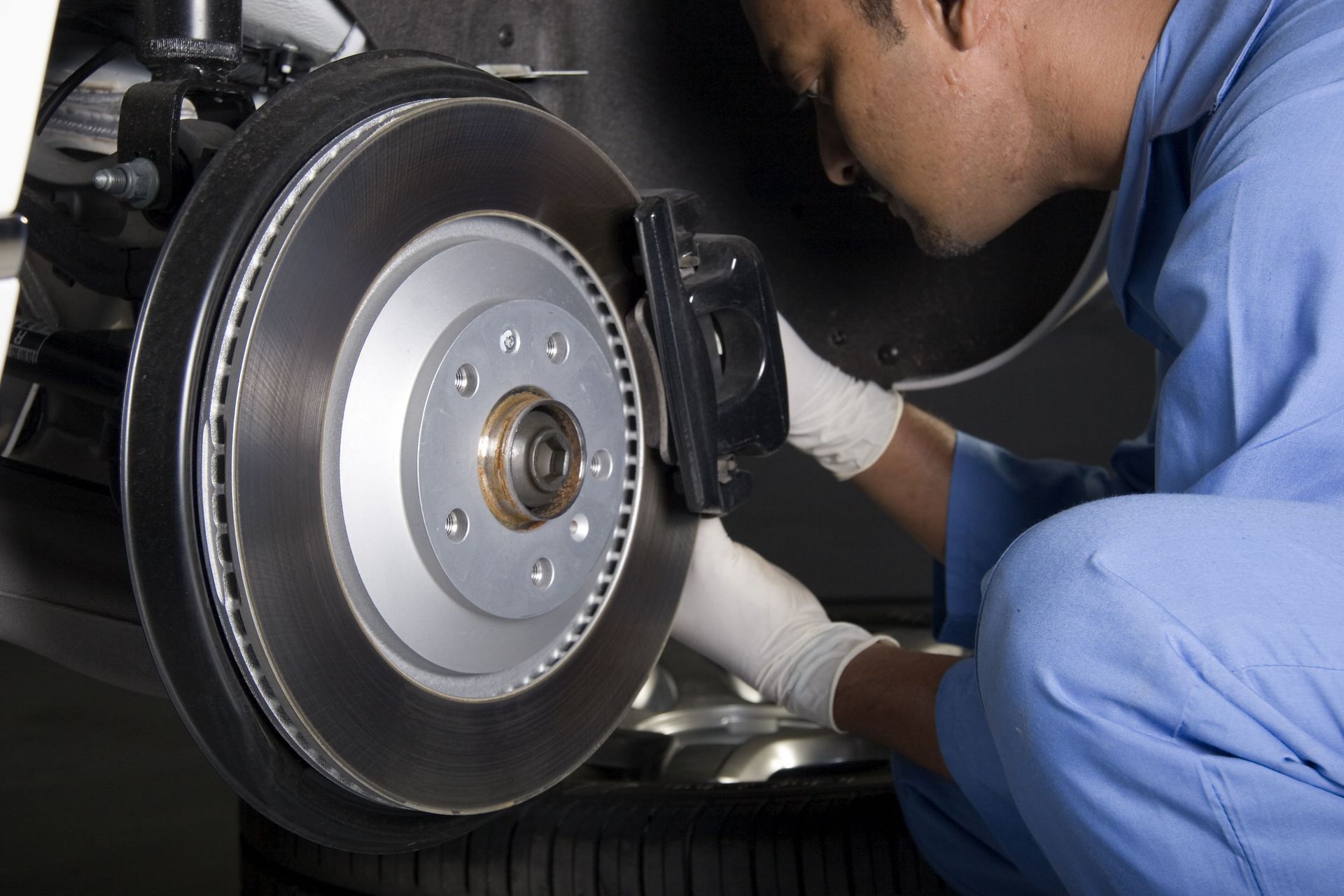
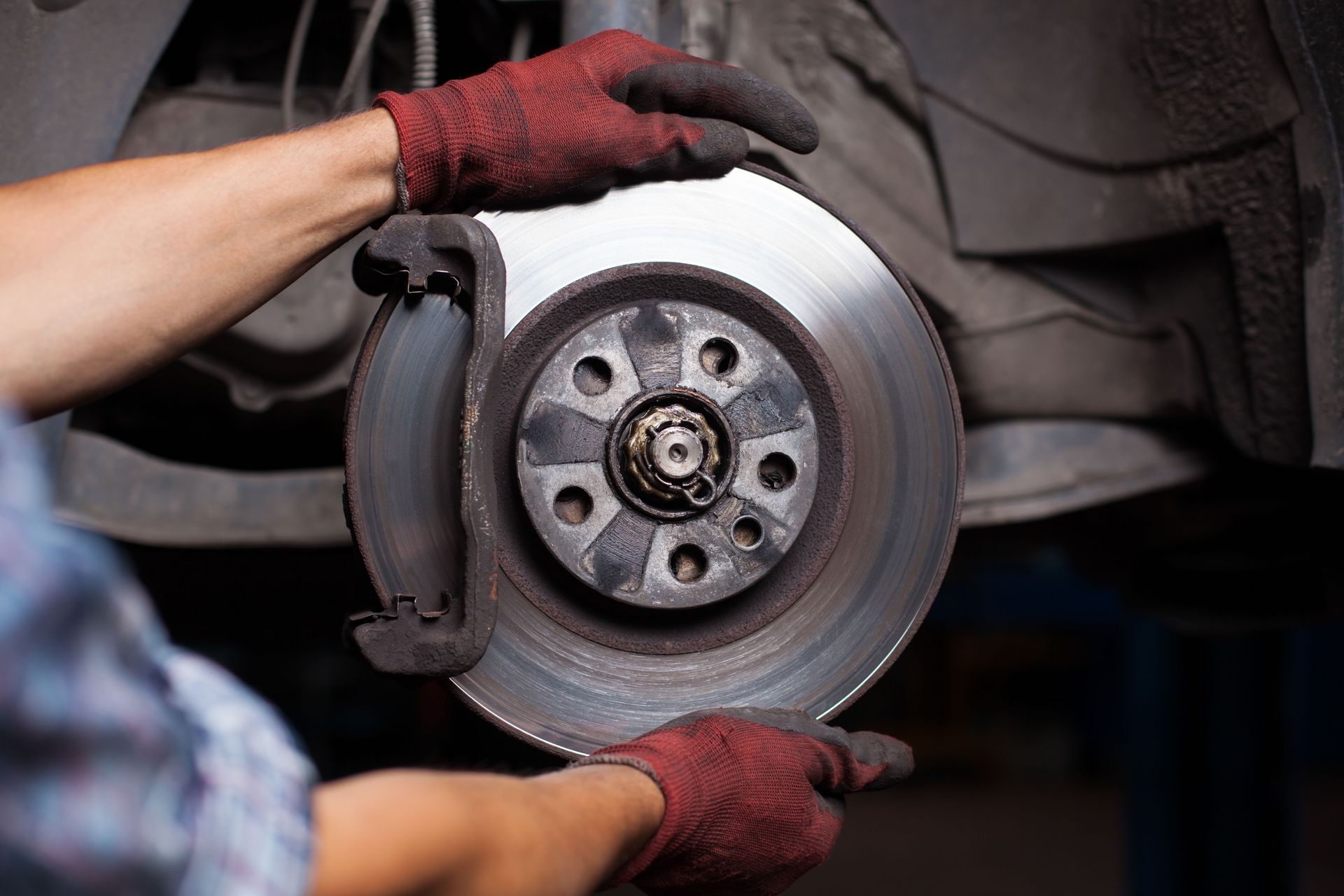
Inspect brake pads, rotors, and calipers for wear. Check brake fluid lines for leaks. Listening for unusual noises and feeling for uneven resistance helps identify problems. Consulting a mechanic ensures accurate diagnosis and effective repairs. Keeping a record of brake maintenance and noting when issues first appeared can help mechanics provide faster and more precise service.
Maintenance
Regular brake inspections and timely replacement of worn components maintain optimal braking performance. Bleeding brake lines and changing old brake fluid prevent corrosion and ensure proper response. Routine maintenance extends the life of your braking system. Even if brakes feel fine, scheduled maintenance prevents sudden failures and reduces the risk of accidents on the road.
Repair vs Replacement
Minor surface rust or worn pads may only need repair, while severe damage requires replacement. A professional assessment determines the best course of action, balancing cost and safety considerations. Preventive care often reduces the frequency of major repairs. Investing in high-quality brake components can also enhance performance and longevity, making future auto repair less frequent.
Cost Considerations
Brake failure can be expensive if neglected. While pad replacement is affordable, ignoring problems can lead to rotor replacement or other costly fixes. According to IBISWorld, the U.S. auto mechanic industry employs about 649,797 people, offering skilled support for timely brake maintenance. Investing in regular checks saves money and ensures safe driving. Remember, spending on preventive auto repair today can save you from emergency expenses tomorrow.
3. Transmission Problems
Noise Indicators
Whirring, clunking, or whining noises when shifting gears often signal transmission issues. Prompt attention prevents severe damage and expensive repairs. Recognizing these sounds early helps maintain safe vehicle operation. Paying attention to subtle noises or vibrations while driving is a proactive step in auto repair awareness.
Fluid Checks
Transmission fluid ensures smooth gear operation. Low fluid or dark, burnt-smelling fluid requires immediate attention. Regular fluid changes according to the manufacturer’s recommendations protect the transmission and extend its lifespan. Proper lubrication prevents friction and overheating within the transmission system.
Gear Slippage
Hesitation or unexpected gear changes indicate transmission trouble. Rough or delayed shifts suggest worn components or insufficient maintenance. Addressing these issues promptly ensures safer driving and prevents further damage. Transmission problems can often be mitigated with routine auto repair before they become catastrophic.
Mechanic Consultation
Persistent transmission symptoms require professional evaluation. Mechanics can identify the problem and provide tailored repair solutions. Timely consultation minimizes repair costs and maintains vehicle reliability. Documenting the frequency and circumstances of transmission issues helps professionals diagnose problems more efficiently.
Extending Lifespan
Routine maintenance, avoiding aggressive driving, and using high-quality transmission fluid prolong transmission life. Installing a transmission cooler can prevent overheating. Following manufacturer service guidelines ensures reliable performance over time. Simple measures, such as avoiding heavy towing without proper equipment, also reduce transmission stress and the need for frequent auto repair.
4. Battery and Electrical Issues
Battery Drain
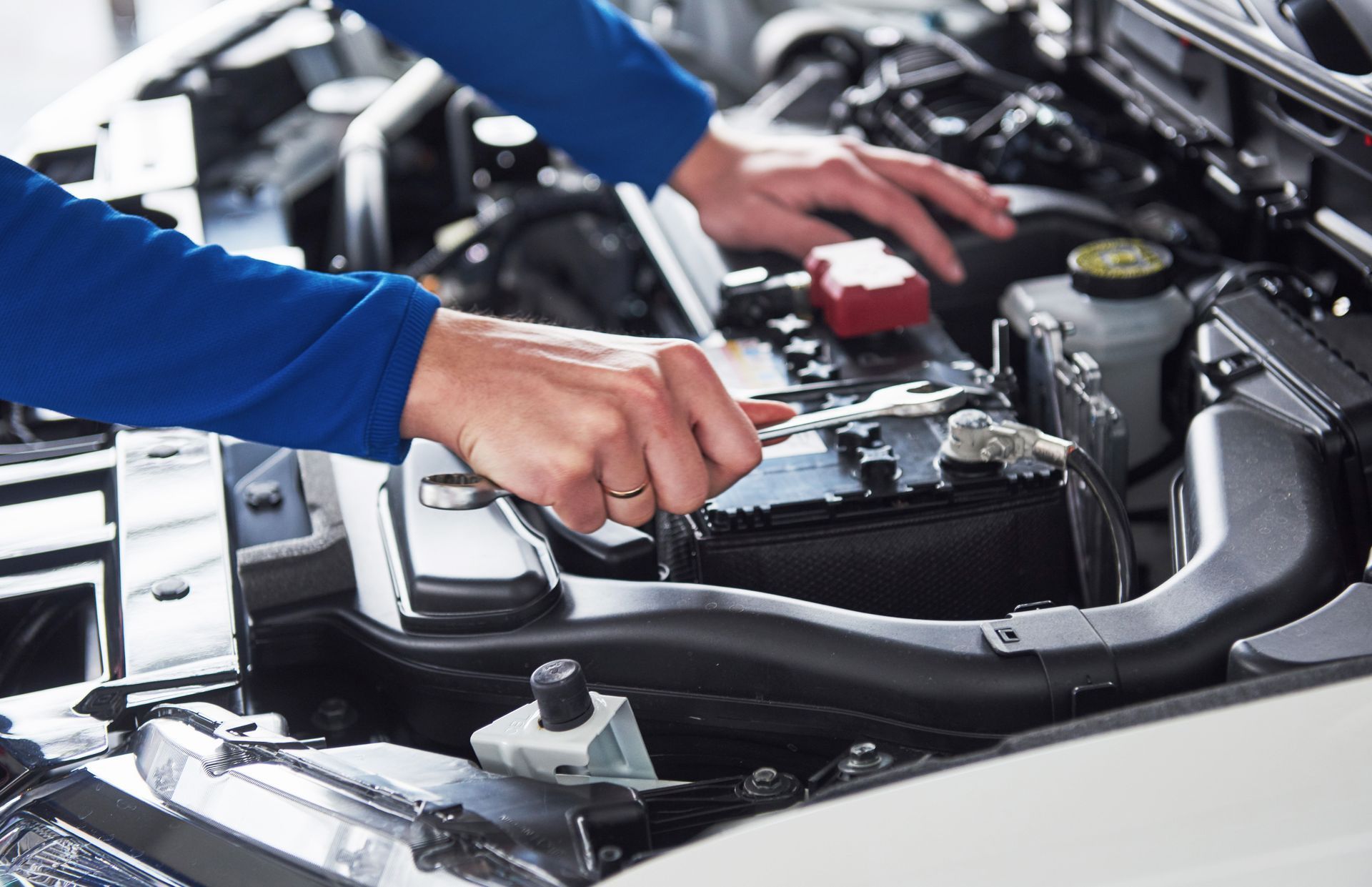
Leaving lights on, using electronics while the engine is off, or a failing alternator can drain the battery. Regular testing prevents unexpected failures and ensures your vehicle starts reliably. Even minor electrical issues can escalate if ignored, leading to costly auto repair interventions.
Battery Testing
Check battery voltage and condition regularly. Most batteries last 3-5 years, and early testing allows timely replacement. Using a multimeter or professional service ensures accurate assessment of battery health. Maintaining battery terminals free of corrosion also helps prevent unexpected failures.
Alternator vs Battery
Alternator failure may cause dim lights or a dead battery, while a faulty battery struggles to hold a charge. Correct diagnosis prevents unnecessary replacements and ensures effective repairs. Understanding your vehicle's electrical system reduces the risk of repeated auto repair visits.
Starter Issues
Clicking sounds or no response when turning the ignition suggest starter problems. Corroded terminals, low battery power, or a faulty starter motor are common causes. Professional inspection can resolve these issues efficiently, preventing a chain reaction of electrical failures.
Electrical Maintenance
Regularly inspect the battery, alternator, and starter. Clean terminals and replace worn components. Proactive maintenance reduces unexpected breakdowns and improves vehicle reliability. Investing in quality parts can reduce future auto repair costs and ensure consistent vehicle performance.
Proactive attention to auto repair issues saves time and money while enhancing safety. Regular checks, recognizing early warning signs, and consulting professionals when needed extend vehicle lifespan. Prioritizing maintenance ensures reliable performance, road safety, and cost-effective ownership. Vehicle owners who stay informed and proactive enjoy fewer breakdowns, lower repair costs, and a safer driving experience overall. Additionally, maintaining detailed service records and following manufacturer-recommended maintenance schedules allows for better planning of repairs and can even increase resale value. By adopting a proactive mindset, drivers can prevent unexpected issues, maximize efficiency, and enjoy greater peace of mind on every journey. For more information, contact Lift n Wrench today.