January 21, 2026
Understanding the importance of maintaining brake systems and recognizing early signs of potential issues can prevent costly repairs and ensure road safety. Your vehicle's braking system is one of its most critical components, and being proactive in its maintenance can save you from dangerous situations and expensive repairs. Regular checks and an awareness of potential problems allow drivers to address small issues before they become severe. With the right knowledge, you can ensure your vehicle remains safe for you and your passengers. This guide will help highlight the most critical brake problems and what actions to take to prevent them before you need local brake repairs.
Understanding Brake Warning Lights
Identifying Common Brake Warning Light Indicators
Brake warning lights serve as the first alert mechanism to impending issues within your brake system. These lights can indicate a variety of problems, from low brake fluid levels to malfunctioning components. Understanding these indicators can help diagnose the issue early, preventing further deterioration. Not all warning lights mean immediate danger, but they should never be ignored. A cautious driver should learn the distinctions between the different types of warning lights, such as those for parking brakes or more general system alerts.
Diagnosing Why the Brake Light Is On
The act of diagnosing the reason behind a brake warning light involves checking several potential causes. Low brake fluid is a common culprit and can be dangerous if left unchecked. A worn-out brake pad could also trigger a warning light, and according to Kelley Blue Book, brake pads typically last between 25,000 and 50,000 miles. Checking for a faulty sensor is another step in this process, as issues with the electronics themselves can sometimes trigger warnings. In any case, a thorough inspection by a professional mechanic can help identify and resolve the root cause of the light activation.
Taking Steps When a Brake Warning Light Activates
When a brake warning light activates, it's crucial to act immediately by pulling over safely to check the vehicle's manual for guidance. Consult the manual to understand what the specific light means and whether it's safe to continue driving. If there are visible issues like low brake fluid, topping it up may temporarily resolve the issue, but professional guidance should be sought as soon as possible for local brake repairs. Prioritize scheduling an inspection with a certified mechanic to identify any deeper issues.
Ignoring a Brake Warning Light
Ignoring a brake warning light can have dire consequences, ultimately impacting your vehicle's safety and functionality. Over time, minor issues can evolve into significant malfunctions, potentially leading to accidents. The longer you wait, the more expensive the repairs can become, as small problems escalate. Broken or worn parts usually affect other systems, which could increase repair complexity. Prioritizing local brake repairs and heeding warning lights ensures longevity for your vehicle and peace of mind for all occupants.
Preventing False Brake Warning Light Activations
To prevent false brake warning lights from activating, regular maintenance is key. Checking fluid levels consistently and ensuring brake pads are in good condition can avoid unnecessary triggers. A well-maintained vehicle is also less likely to have sensor issues, which are a common cause of false alarms. Using quality parts and following the manufacturer's service schedule helps maintain system accuracy. Investing in proper maintenance not only prevents false alarms but also contributes to overall vehicle safety and performance.
Detecting Unusual Brake Noises
Knowing Common Causes of Squealing Brakes
Furthermore, squealing brakes are often the first auditory sign drivers notice, indicating potential problems. They can occur due to several factors, including moisture on the brake pads or worn-out brake components. Sometimes, the type of material used in brake pads, such as metal shavings, can lead to squealing sounds. Regular wear and tear also play a part, with a lack of maintenance exacerbating the issue. If noticed, drivers should address the cause promptly to avoid further complications.
Understanding the Significance of Grinding Noises
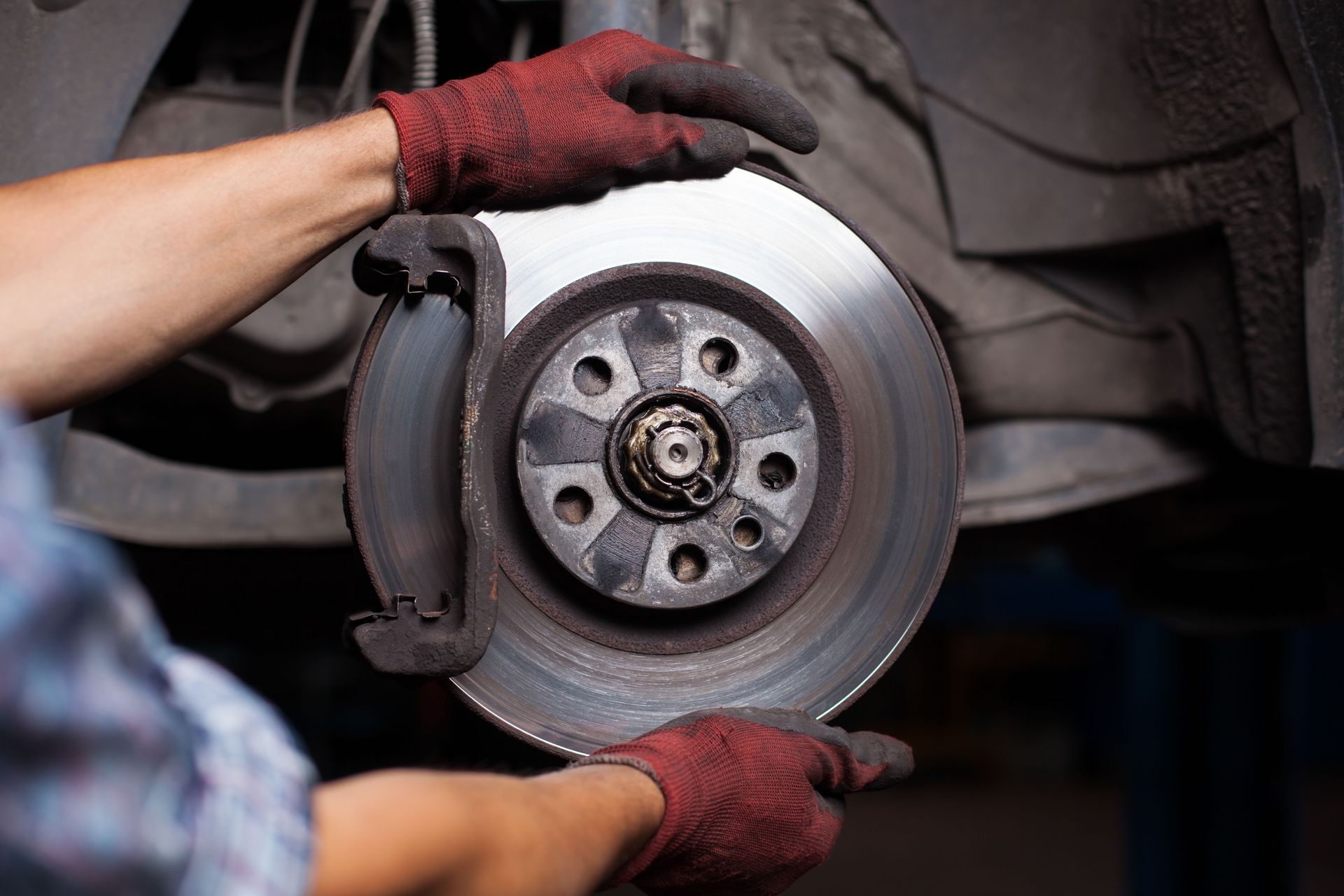
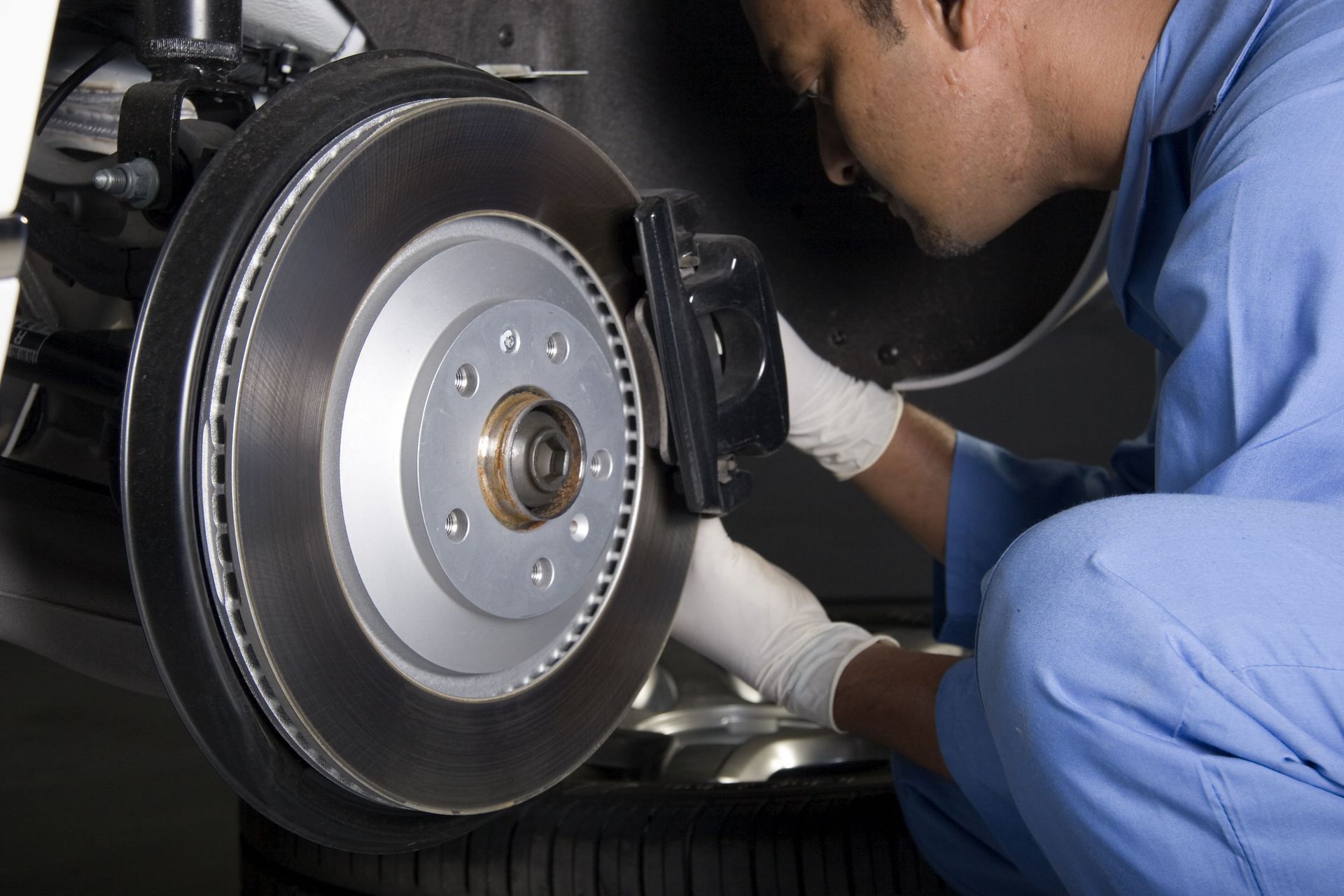
Additionally, grinding noises coming from the brakes are more serious than squealing and often indicate metal-on-metal contact. This sound can mean that the brake pads have worn down completely and are now damaging the rotors. Immediate action is necessary, as prolonged grinding can lead to expensive repairs and compromised safety. It's crucial to replace brake pads before they reach this stage to prevent damage to other costly components. Regular inspections can help identify wear early and prevent grinding noises from developing in the first place, leading to local brake repairs.
Identifying Causes of Rattling Sounds
Continuing, rattling sounds in the braking system can stem from a variety of causes. Often, these noises are due to loose components such as calipers, pads, or clips. Poor installation or wear can exacerbate these issues, leading to more significant problems if left unchecked. Addressing a rattling sound early can prevent damage to the entire brake assembly. A thorough inspection and adjustment of the braking components can usually solve rattling issues effectively.
Dealing With Brake Noise Emergencies
In the event of a noise emergency, such as loud grinding, immediate measures must be taken. Pulling over safely and contacting a tow service can prevent further damage. While waiting for assistance, ensuring that your vehicle is in a secure location is essential. Regular maintenance can minimize noise emergencies, underscoring the importance of staying on top of vehicle care. Consulting with a brake specialist can provide long-term solutions and prevent future emergencies.
Having Regular Maintenance to Prevent Brake Noises
A consistent maintenance schedule is vital in preventing brake noise. Regular checks for pad wear, fluid levels, and component integrity can catch potential issues before they manifest audibly. By adhering to recommended service intervals and using quality parts, the likelihood of brake noises can be significantly reduced. Establishing a relationship with a trusted mechanic for local brake repairs can further enhance vehicle upkeep by providing expert advice tailored to your vehicle's needs.
Recognizing Changes in Brake Pedal Feel
Knowing Symptoms of a Soft or Spongy Brake Pedal
A soft or spongy brake pedal often indicates complications within the hydraulic system. Potential causes include air in the brake lines or a fluid leak somewhere in the system. These symptoms require immediate attention as they can significantly delay stopping distances. Driving with such a condition can be hazardous, especially in emergencies requiring quick stops. Regularly checking brake fluid levels can help prevent spongy pedals, as can bleeding the brake lines to remove any trapped air.
Understanding Hard Brake Pedals: Causes and Remedies
A hard brake pedal, conversely, can signal issues such as a faulty brake booster or vacuum supply problems. This condition makes braking more difficult and can be particularly dangerous at high speeds. Some mechanical failures, like a seized brake caliper, may also contribute to a hard pedal. Consulting a professional to diagnose the specific reason behind a hard pedal is crucial for restoring proper brake function. Timely intervention can prevent the problem from worsening, thereby ensuring continued vehicle safety.
Proactively monitoring and addressing brake issues ensures vehicle safety and prolongs the lifespan of brake components. Regular maintenance and prompt repairs are crucial for avoiding serious brake problems. By staying informed and attentive to signs of wear or malfunction, drivers can maintain optimal performance and safety. Contact Lift n Wrench today to get started with our local brake repairs.