September 9, 2026
Automotive safety depends heavily on a vehicle's ability to slow down and stop predictably. Technicians play an important role in identifying braking problems before they become serious enough to create dangerous driving conditions. Through inspections, diagnostic testing, and knowledge of normal component wear, automotive professionals can recognize subtle warning signs that drivers might otherwise overlook. Detecting these concerns early may also reduce repair costs by preventing damaged parts from affecting surrounding components. Regular inspection becomes especially important as vehicles accumulate mileage and braking components experience repeated heat, pressure, and friction. Modern vehicles also incorporate electronic sensors and computerized safety systems that require technicians to combine traditional mechanical knowledge with advanced diagnostic methods. Understanding how technicians evaluate brakes can help vehicle owners appreciate the value of preventive maintenance and respond appropriately when warning signs appear.
Understanding the Main Braking Components
A vehicle's braking system consists of several components that work together whenever the driver presses the pedal. Hydraulic pressure transfers the driver's input through fluid-filled lines, allowing components at each wheel to create the friction needed to slow the vehicle. Technicians understand how the master cylinder, brake fluid, hoses, lines, calipers, pads, rotors, drums, and related hardware interact. A problem with one component can influence the performance of the entire system, which is why a complete inspection is often more useful than evaluating a single part.
Hydraulic systems require consistent pressure to function correctly. Air in the lines, deteriorated hoses, leaking connections, or contaminated fluid can interfere with the transfer of force from the pedal to the wheels. Technicians inspect lines for corrosion, cracking, moisture, and leakage while checking connections for signs of deterioration. These relatively small defects can eventually lead to noticeable changes in stopping performance if they are not corrected.
Inspecting Pads, Rotors, Drums, and Shoes
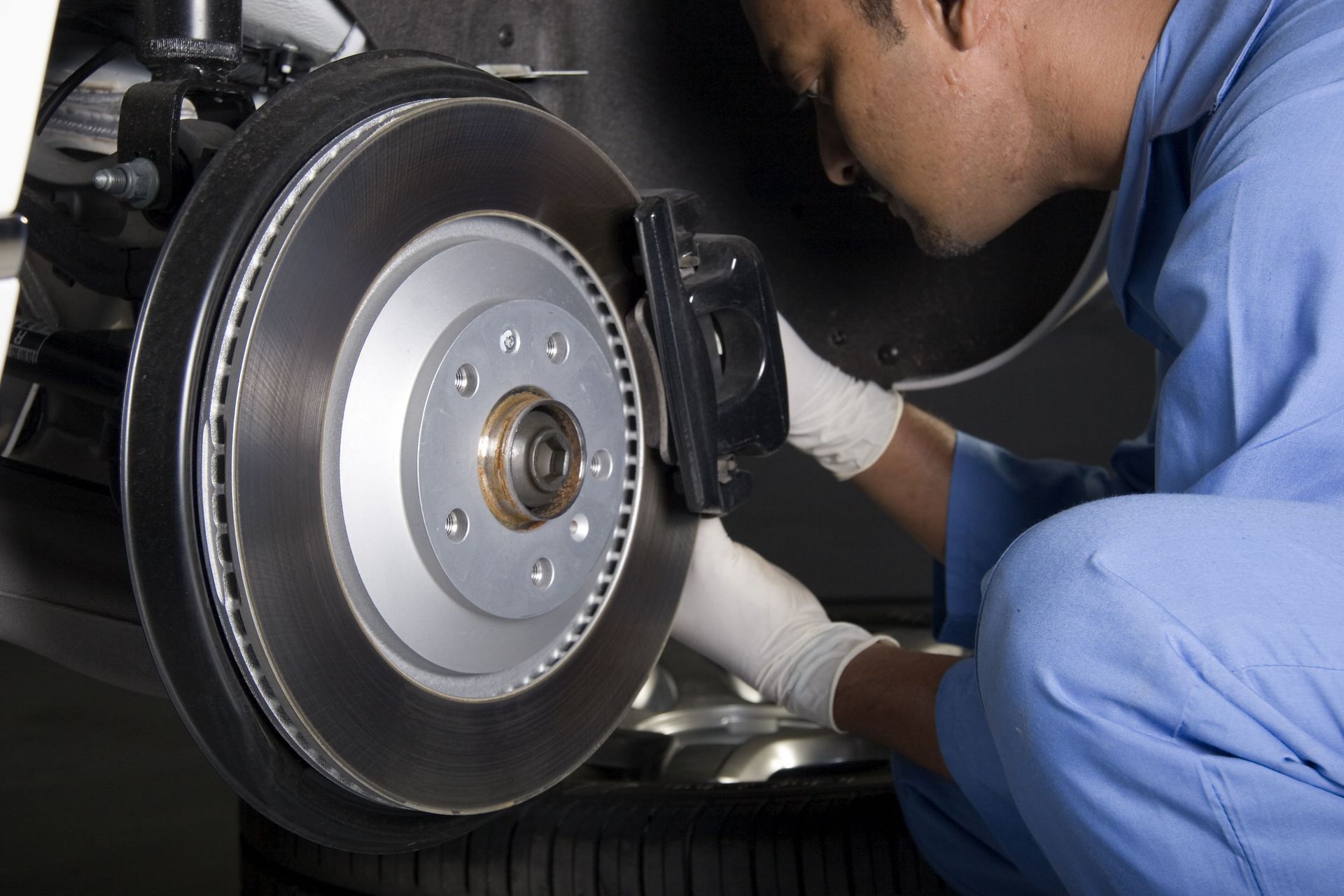
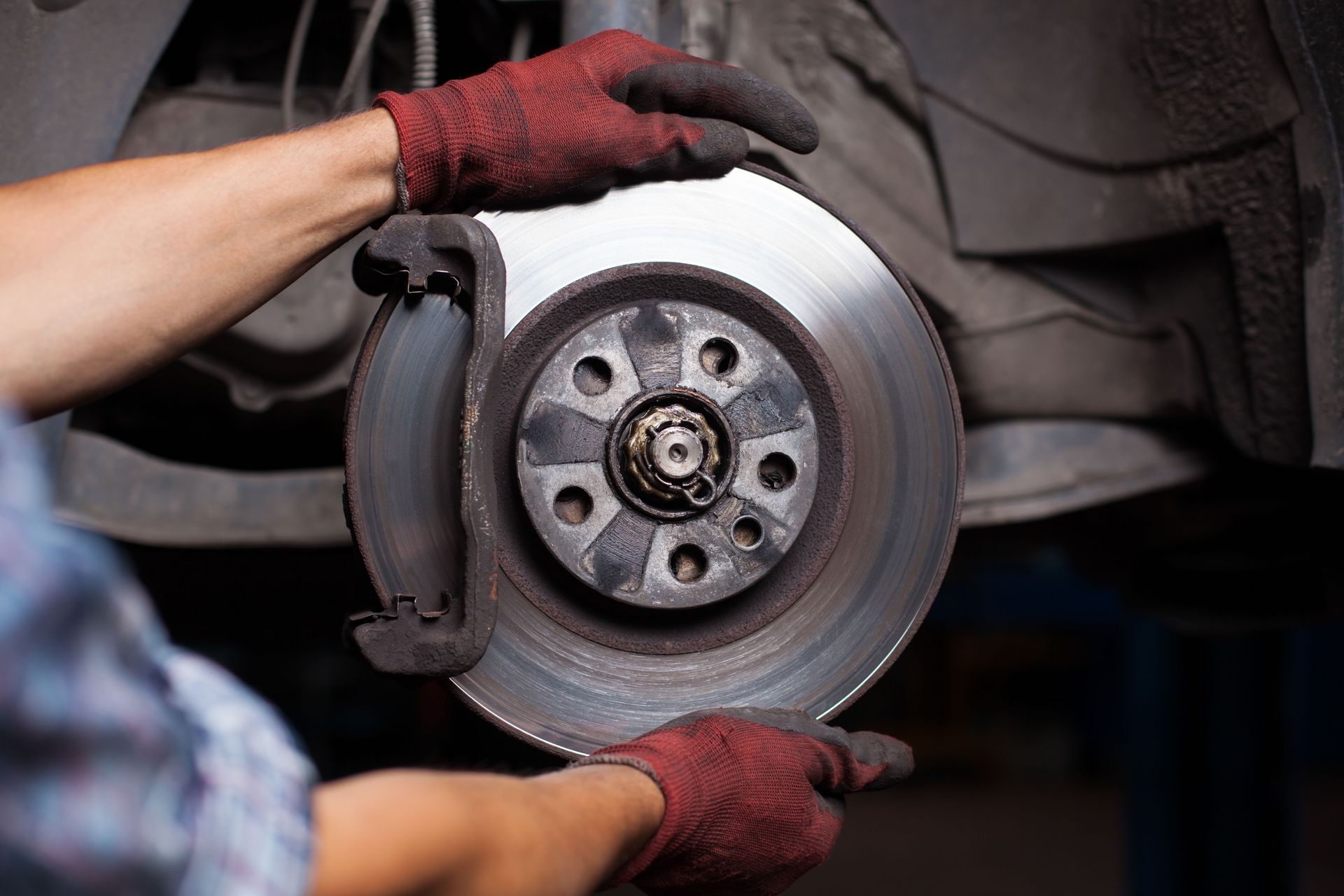
Friction components receive particular attention because they experience gradual wear during normal vehicle operation. When a driver applies the brakes, pads press against rotating discs to create friction and reduce wheel speed. According to Kelley Blue Book, brake pads typically last around 40,000 miles, although actual service life varies considerably. Driving habits, road conditions, vehicle weight, towing, traffic patterns, and component quality can all influence how quickly these parts wear.
Technicians measure pad thickness rather than relying exclusively on mileage estimates. They also inspect rotors for grooves, cracks, excessive rust, heat damage, and uneven wear. A rotor that has become warped or irregular may produce vibration or pulsation during stopping. Depending on its condition and manufacturer specifications, a technician may recommend resurfacing or replacement. These measurements provide objective information about whether components remain suitable for continued service.
Vehicles equipped with drum assemblies require similar attention. Technicians examine shoes, drums, springs, adjusters, and mounting hardware for wear or damage. Proper contact between the shoes and drum is necessary for predictable operation. By checking the entire assembly rather than simply replacing visibly worn pieces, technicians can identify related defects that might otherwise affect the performance of newly installed components.
Evaluating Brake Fluid and Hydraulic Pressure
Brake fluid transfers hydraulic pressure throughout the system, making its condition important to reliable stopping. The fluid can absorb moisture over time, which may lower its boiling point and contribute to internal corrosion. High temperatures generated during repeated braking can further challenge contaminated fluid. Technicians may inspect its appearance and level while using appropriate testing methods to evaluate moisture content or overall condition.
Low fluid can also indicate a leak or significant component wear. Rather than simply adding more fluid, a technician may examine the master cylinder, lines, hoses, calipers, and wheel cylinders to determine why the level changed. Leaking fluid can reduce hydraulic pressure and eventually compromise the brakes if the underlying problem is allowed to progress. Finding the source is therefore more important than addressing the fluid level alone.
Recognizing Unusual Sounds
Noise is one of the most noticeable indications that a braking system may require attention. Squealing can occur when friction material becomes worn, while grinding may suggest more significant deterioration or unwanted contact between metal components. Clicking, scraping, or other unfamiliar noises may point to loose hardware, damaged components, contamination, or irregular movement within an assembly.
Technicians often combine customer descriptions with inspections and controlled test drives to determine when and where a noise occurs. The timing of a sound can provide useful clues. For example, a noise that appears only during light pedal application may have a different cause from one that occurs continuously while the vehicle is moving. Careful diagnosis helps avoid replacing parts unnecessarily while ensuring that the actual source receives attention.
Investigating Pedal Changes
Changes in pedal feel can provide valuable information about the condition of the hydraulic system. A pedal that feels unusually soft or spongy may indicate air in the lines, contaminated fluid, leakage, or problems involving the master cylinder. A pedal that travels farther than normal before the vehicle slows can also warrant immediate inspection. Drivers who notice a sudden change should avoid assuming the condition will correct itself.
Technicians examine hydraulic pressure, fluid condition, and individual components to locate the source of abnormal pedal behavior. Internal seals within the master cylinder can deteriorate over time, potentially allowing fluid to bypass areas where pressure should be maintained. Hoses can also weaken, while leaks at connections may gradually reduce system effectiveness. Correcting these problems early helps maintain consistent pedal response and dependable stopping performance.
Diagnosing Vibrations and Pulling
A shaking steering wheel, pulsing pedal, or vibration during braking can indicate uneven rotor surfaces, deposits, sticking calipers, or other irregularities. Technicians may measure rotor thickness and runout to determine whether the surfaces meet manufacturer specifications. These measurements help distinguish between components that can remain in service and those that require resurfacing or replacement.
Not every vibration originates within the braking system. Tire problems, wheel imbalance, worn suspension components, and alignment concerns can produce similar sensations. Technicians therefore consider the vehicle as a complete system rather than immediately assuming that the brakes are responsible. This broader diagnostic approach helps identify the true cause and reduces the possibility of unnecessary repairs.
Pulling to one side during stopping may similarly indicate several possible concerns. A sticking caliper, contaminated friction material, uneven pad wear, tire pressure differences, or suspension issues can affect vehicle behavior. Comparing components on both sides allows technicians to identify inconsistencies that may explain the symptom.
Checking Warning Lights and Electronic Systems
Modern vehicles use electronic monitoring systems to identify certain mechanical and electrical irregularities. A dashboard warning light may indicate low fluid, a parking brake concern, an anti-lock braking system fault, or a sensor-related problem. Technicians use the warning as a starting point rather than assuming that the illuminated symbol identifies the exact defective component.
Diagnostic scanners can retrieve fault codes and system information stored by the vehicle's onboard computers. For vehicles equipped with ABS and other electronic safety features, this information can reveal sensor faults, wiring problems, communication errors, or abnormal readings. Technicians then combine electronic data with physical inspection and testing to verify the cause before recommending repairs. This combination of mechanical and electronic evaluation is especially valuable when problems with the brakes do not produce obvious visible damage.
Preventive maintenance is ultimately about identifying deterioration before it interferes with safe operation. Through visual evaluations, measurements, fluid testing, computerized diagnostics, and test drives, technicians gather multiple pieces of information about system condition. Combining these methods allows them to spot developing problems, recommend appropriate repairs, and verify that brakes continue to provide predictable stopping performance when drivers need it most. Regular attention to brakes can also help vehicle owners address normal wear before it develops into a more extensive repair. Contact our team at Lift n Wrench today and learn more about our auto repair services and how properly maintained brakes contribute to dependable vehicle performance.